Restore to keep
the forest standing —
and seed collection alive!
The Ecological Restoration technical front of the Xingu Seed Network emerged in 2019, following a demand from the seed collector groups themselves. Since then, Restoration has been gaining increasing strength within our institutional strategy.
Here, you can find everything you need to know
about this area of our work!

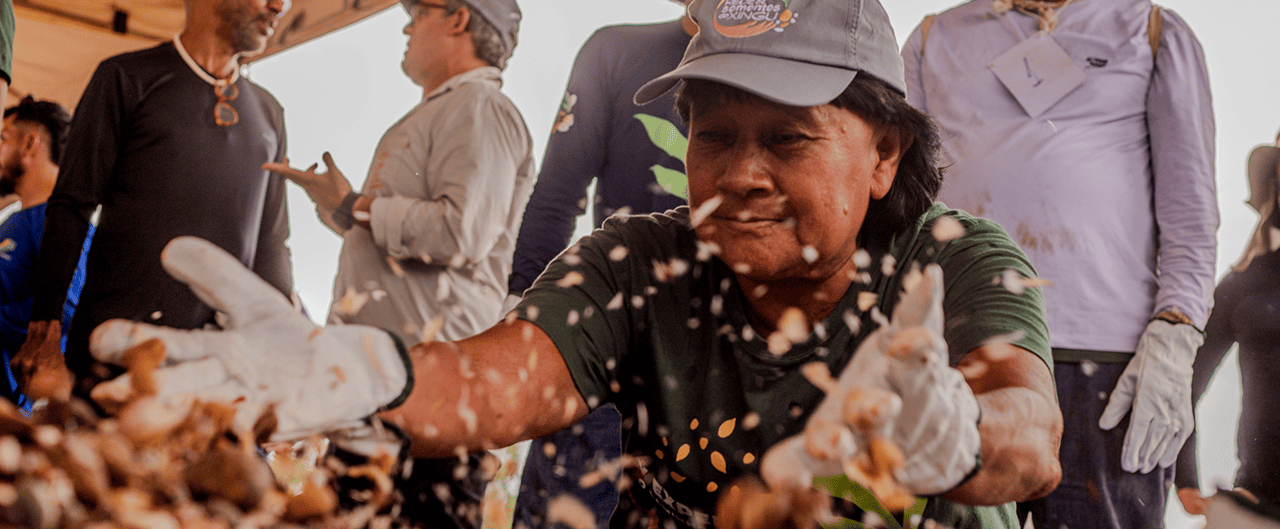
Those who restore, collect:
Understand the main motivations behind
ecological restoration in the territories
Promoting food security and engaging communities and collectors to
implement ecological restoration areas using seed muvuca in their
territories are some of the central objectives of the Xingu Seed Network,
bringing mother trees closer to collectors – thus creating future areas
for seed collection in the backyards of those who collect –,
promoting food security in the territories and bringing communities together
in collective efforts to carry out our seed muvuca are some of the central
objectives of the Ecological Restoration carried out by the Xingu Seed Network.
Here, the central idea is the recomposition of native vegetation in the territories and in collection areas,
bringing collectors a return on the application of the seeds they gathered through their work
by promoting restoration in their areas, while at the same time sowing new mother trees
for local use and strengthening the permanence of families in their territories.
All of this reinforces our mission and commitment to
promote Well Living in the regions where we operate.
Socio-environmental impacts of
Ecological Restoration within RSX:

Income generation
strengthening the collectors’ own harvesting work,
internal restoration can contribute to income generation
through the production of species with commercial value
beyond seed collection.

Formation of new
seed collection areas
seed collection expands the availability and proximity
of mother trees for the Network’s collectors. Collecting
seeds in one’s own backyard is a dream for many people!

Environmental
protection

Community
strengthening

Climate
contribution
How do we make this
restoration happen?
At the Xingu Seed Network, we strive to practice a restoration
that is as inclusive, participatory, and community-based as possible.
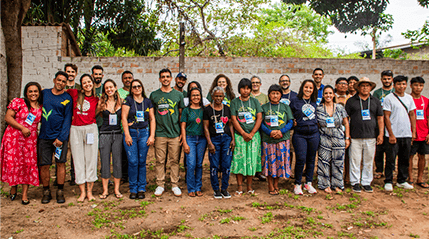
Inclusive ecological restoration is a recent approach that places communities as protagonists of the process — not only as beneficiaries. It is a process that involves training, methodological change, and strengthening community leadership. Our commitment is to move forward in this direction, valuing local knowledge and expanding the active participation of communities in all stages.
Thus, to plan the restoration of an area, we carry out diagnostic visits and dialogue with the families, communities and/or partners involved, always seeking to consider:
> The socio-environmental characteristics of the area
Biome; surrounding vegetation (phytophysiognomy); terrain; land-use history and soil conditions; degradation factors (fire, ants, exotic grasses, cattle); the area’s regeneration potential, among others.
> The biome (Cerrado or Amazon)
> The interests and priorities of the community or landowner:
socio-cultural uses; integration with agriculture; available resources to support operational stages; engagement of producers in maintaining the areas conserved and under their management.
> Strategic species for collection and income generation
> The availability of beneficiaries to take ownership of the restored area, contributing to its management and preservation
Even when we operate on a larger scale — and choose to hire consulting support for the implementation of certain areas — we maintain our technical presence and the involvement of the beneficiary public in all stages, from planning to planting. This means that, in larger projects, we may rely on strategic partnerships and specialized companies, but always with technical supervision from RSX.
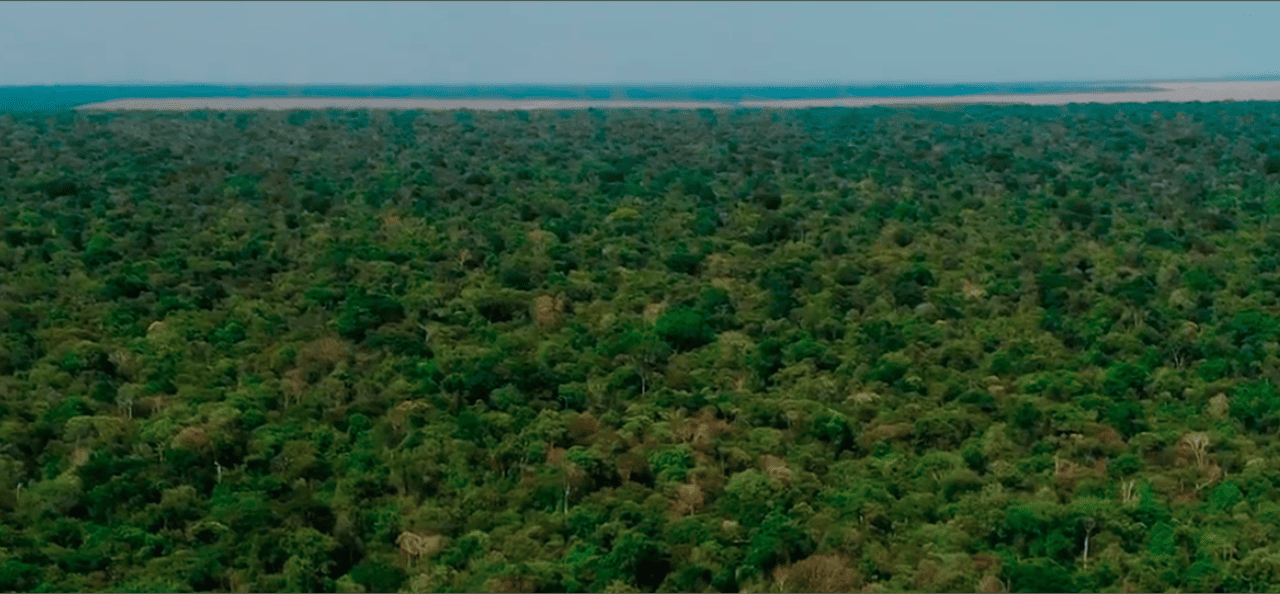

Techniques used
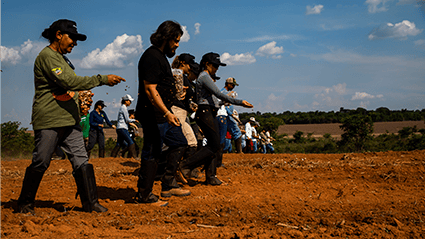
Currently, we adopt five main modalities:
Broadcast
direct seeding
Direct seeding
in rows
Seeding
in pits
Agroforestry
systems
Assisted Natural
Regeneration
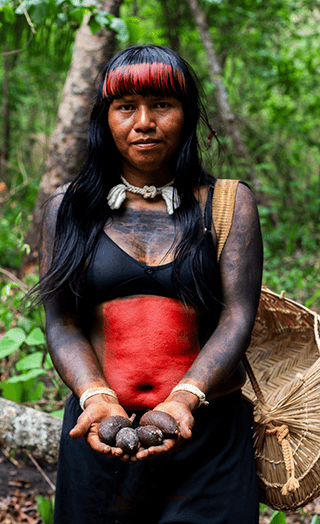
Where have we
already planted?
From 2019 to 2024, our ecological restoration initiatives were concentrated in the Araguaia Basin. Starting in 2024 and 2025, with the beginning of a project supported by the Floresta Viva Program (FUNBIO), we directed our efforts toward implementing areas in the Xingu River Basin.
Between 2019 and 2025, we achieved the following results:
> Nearly 63 ha in the Xingu and Araguaia river basins, including RSX seed collection areas
> 47 ha in partner areas in the state of Rondônia
> + 30 demonstration areas implemented
> + 9 municipalities served
Partnerships
and cooperation >
Restoration at scale is only possible through technical and institutional cooperation.
We work in partnership with organizations and consultancies that have experience with the muvuca technique and consolidated territorial presence.
These partnerships are essential both for accessing areas and for enabling the implementation and monitoring of projects.

Monitoring
The monitoring takes place according to the dynamics of the restoration projects carried out – and generally extends for up to two years. Here, we evaluate:
> Coverage of native and exotic species;
> Species diversity and richness;
> Density of individuals per hectare.
However, we recognize that the ideal monitoring period should last at least up to 5 years after implementation—one of the challenges we highlight to funders and projects, which need to consider this timeframe for the continued evaluation of the restoration trajectory.
Challenges

Access to areas for restoration

Awareness and engagement of landowners and environmental agencies

Inconsistent rainfall and extreme climate events

Herbicide drift from surrounding agricultural areas

Logistics in remote territories

Shortage of specialized service providers
I am a client.
Can I hire
you to restore
my property?
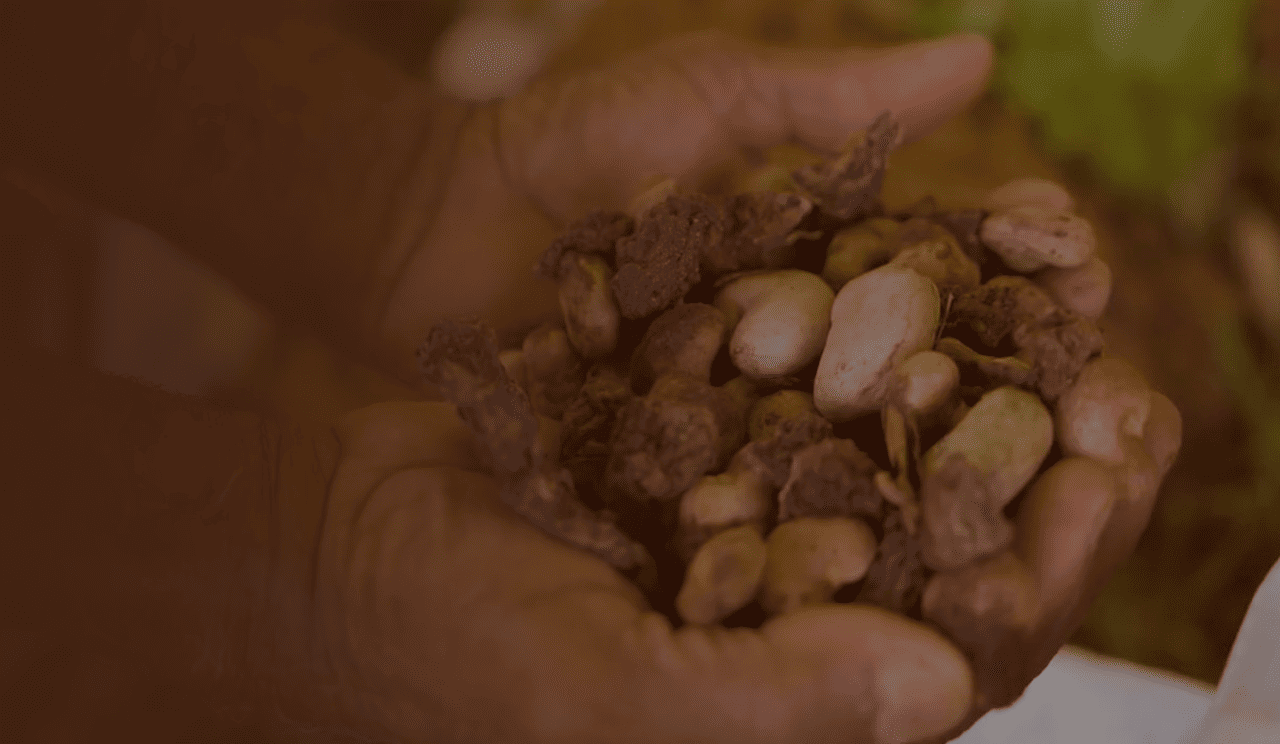
Restoration within the Xingu Seed Network is focused on direct support to seed collector groups, through project funding as a tool for restoring degraded areas, generating income and strengthening territorial connections.
For this reason, we do not offer a formal technical assistance service for implementing muvuca planting on clients’ properties. However, we have a network of partners who can support you with this — contact us to receive recommendations for excellent professionals!